
🎯 Key Takeaway
Blockchain forensics helped recover over $2.3 billion in stolen cryptocurrency in 2024 alone. This guide teaches you the exact techniques used by professional investigators worldwide.
What is Blockchain Forensics?
Blockchain forensics is the specialized practice of analyzing blockchain transactions to identify patterns, trace fund flows, and attribute cryptocurrency addresses to real-world entities. Unlike traditional financial investigations, blockchain forensics leverages the transparent and immutable nature of distributed ledger technology to track criminal activity across global networks.
The field has evolved dramatically since Bitcoin's early days. Modern blockchain forensics combines advanced data science, machine learning, and investigative tradecraft to combat sophisticated crypto-enabled crimes including ransomware, darknet market operations, exchange hacks, and terrorist financing.
Core Blockchain Forensics Techniques
1. Address Clustering & Entity Attribution
Address clustering is the foundation of blockchain forensics. Investigators group multiple addresses that belong to the same entity using heuristics like common input ownership, change address detection, and behavioral patterns. Advanced clustering algorithms can identify wallet software signatures, exchange deposit patterns, and even distinguish between hot and cold wallet architectures.
Common Input Ownership Heuristic
When multiple addresses are used as inputs in a single transaction, they likely belong to the same wallet or entity. This heuristic has proven 95%+ accurate in Bitcoin investigations.
Input 1: 1A1zP1... (0.5 BTC)
Input 2: 1BvBM... (0.3 BTC)
Input 3: 1Cg4k... (0.2 BTC)
→ All three addresses belong to same entity
2. Transaction Graph Analysis
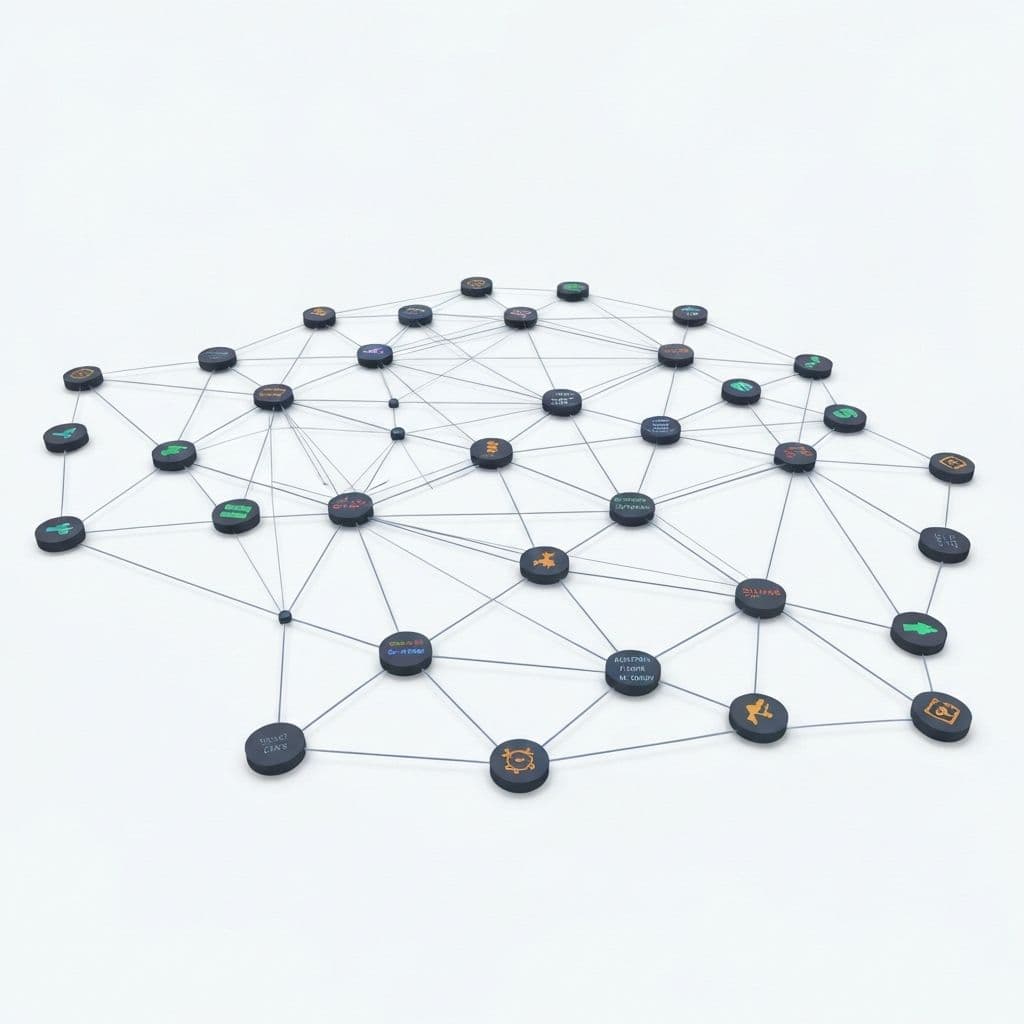
Transaction graph analysis visualizes the flow of funds through the blockchain as a directed graph. Nodes represent addresses, and edges represent transactions. Investigators use graph algorithms to identify key players, detect money laundering patterns, and trace stolen funds through complex mixing operations.
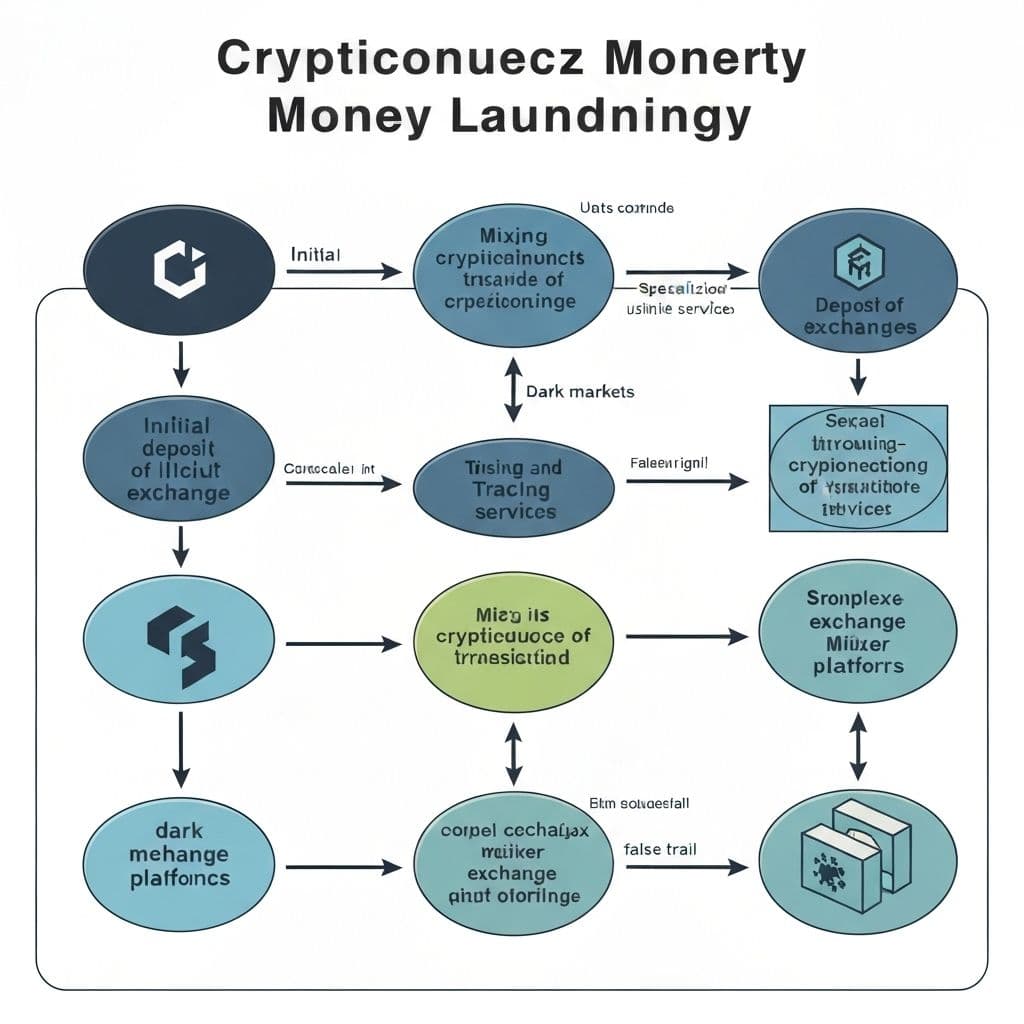
Advanced techniques include peel chain detection (identifying sequential transactions that "peel off" small amounts), convergence analysis (finding where multiple fund flows merge), and temporal pattern recognition (detecting automated bot behavior).
3. Risk Scoring & Exposure Analysis
Risk scoring assigns a numerical risk level to addresses based on their interaction history with known malicious entities. Exposure analysis calculates what percentage of an address's funds can be traced back to illicit sources like ransomware payments, darknet markets, or sanctioned entities.
Risk Scoring Factors
- • Direct exposure: Funds received directly from known criminal addresses
- • Indirect exposure: Funds traced through intermediary addresses
- • Mixer usage: Interaction with Tornado Cash, ChipMixer, or other mixing services
- • Sanctions screening: Links to OFAC-sanctioned addresses or entities
- • Behavioral patterns: Structuring, rapid movement, or other suspicious activity
Real-World Case Studies
The Bitfinex Hack Recovery (2024)
In February 2024, the U.S. Department of Justice announced the recovery of $3.6 billion in Bitcoin stolen from Bitfinex in 2016—the largest financial seizure in DOJ history. Investigators used advanced blockchain forensics to trace the stolen funds through thousands of transactions over six years.
The investigation revealed sophisticated laundering techniques including the use of darknet markets, peel chains, and mixing services. By analyzing transaction patterns and identifying behavioral fingerprints, investigators linked the stolen funds to specific individuals and ultimately recovered the assets.
Investigation Timeline
Professional Blockchain Forensics Tools
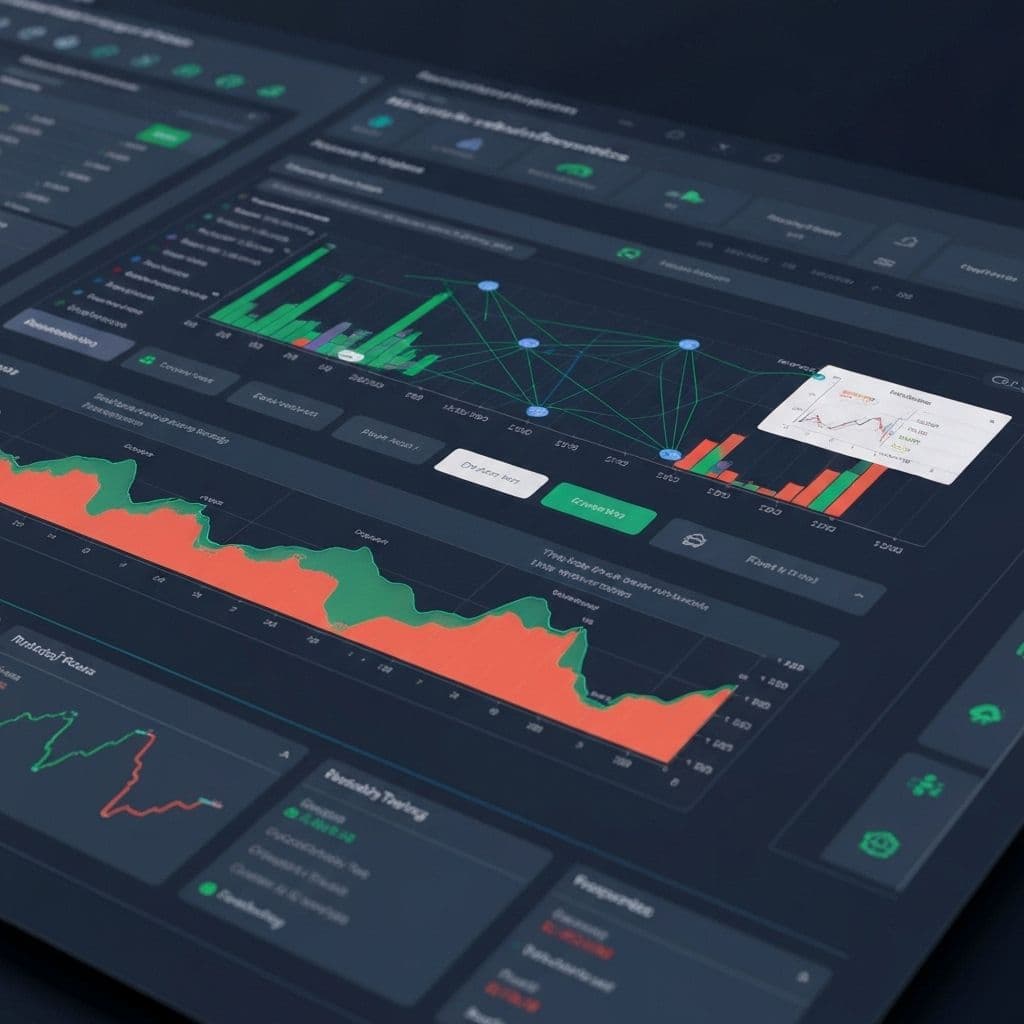
Modern blockchain investigations require specialized software platforms that can process millions of transactions, identify patterns, and generate court-ready reports. ForensicBlock provides enterprise-grade tools used by law enforcement agencies, compliance teams, and private investigators worldwide.
Essential Platform Capabilities
- Multi-chain support: Analyze Bitcoin, Ethereum, Tron, and 50+ other blockchains
- Real-time monitoring: Track addresses and receive alerts on suspicious activity
- AI-powered clustering: Automatically group related addresses using machine learning
- Risk scoring engine: Calculate exposure to illicit funds and sanctioned entities
- Graph visualization: Interactive transaction flow diagrams with filtering and search
- Report generation: Create court-ready PDF reports with evidence manifest
- API access: Integrate forensics capabilities into existing workflows
Getting Started with Blockchain Forensics
Whether you're in law enforcement, legal compliance, or private investigation, blockchain forensics is an essential skill for the digital age. Start with these foundational steps:
Learn the Fundamentals
Understand how blockchains work, transaction structure, UTXO vs account models, and basic cryptography
Practice with Real Cases
Analyze public blockchain data from known cases like the Colonial Pipeline ransomware or Mt. Gox hack
Master Professional Tools
Get hands-on experience with platforms like ForensicBlock to conduct real investigations efficiently
Stay Current
Follow industry developments, new laundering techniques, regulatory changes, and emerging blockchain technologies
The Future of Blockchain Forensics
As blockchain technology evolves, so do forensic techniques. Emerging trends include cross-chain analysis for tracking funds across multiple blockchains, DeFi forensics for investigating decentralized finance protocols, NFT provenance tracking, and AI-powered pattern recognition for detecting sophisticated laundering schemes.
Privacy-enhancing technologies like zero-knowledge proofs and confidential transactions present new challenges, but also opportunities for innovation in forensic methodologies. The field continues to mature, with standardized best practices, professional certifications, and growing collaboration between public and private sector investigators.
💡 Pro Tip
The most successful blockchain investigations combine technical forensics with traditional investigative techniques. Always correlate on-chain evidence with off-chain intelligence like exchange KYC data, IP logs, and OSINT research.
Conclusion
Blockchain forensics has become an indispensable tool in the fight against cryptocurrency-enabled crime. With the right training, tools, and techniques, investigators can trace even the most sophisticated money laundering operations and bring criminals to justice. As the blockchain ecosystem continues to grow, the demand for skilled forensic analysts will only increase.
Start your blockchain forensics journey today with ForensicBlock's comprehensive suite of investigation tools, training resources, and expert support.
Start Your Investigation with ForensicBlock
Access professional-grade blockchain forensics tools trusted by law enforcement, compliance teams, and investigators worldwide.